
 Factory production for this period starts with the Flanders 20 Delivery. Because of the Flanders fragile drive train it most likely was not to successful and no counter part would be offered in Studebaker’s 1913 model line-up.
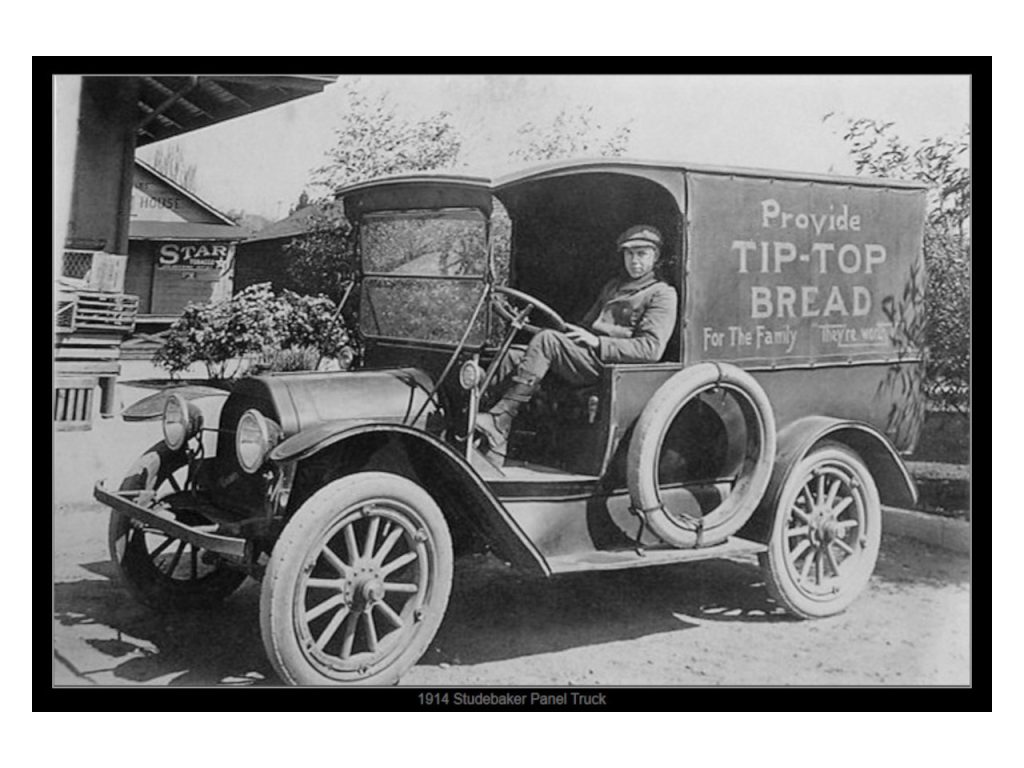
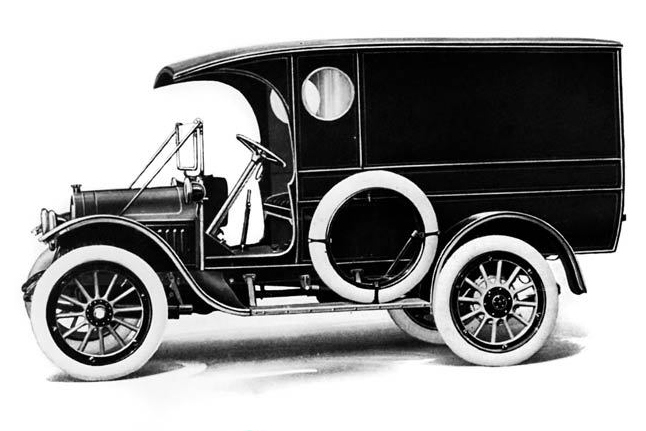
Photo at the left 1914 Panel Delivery.
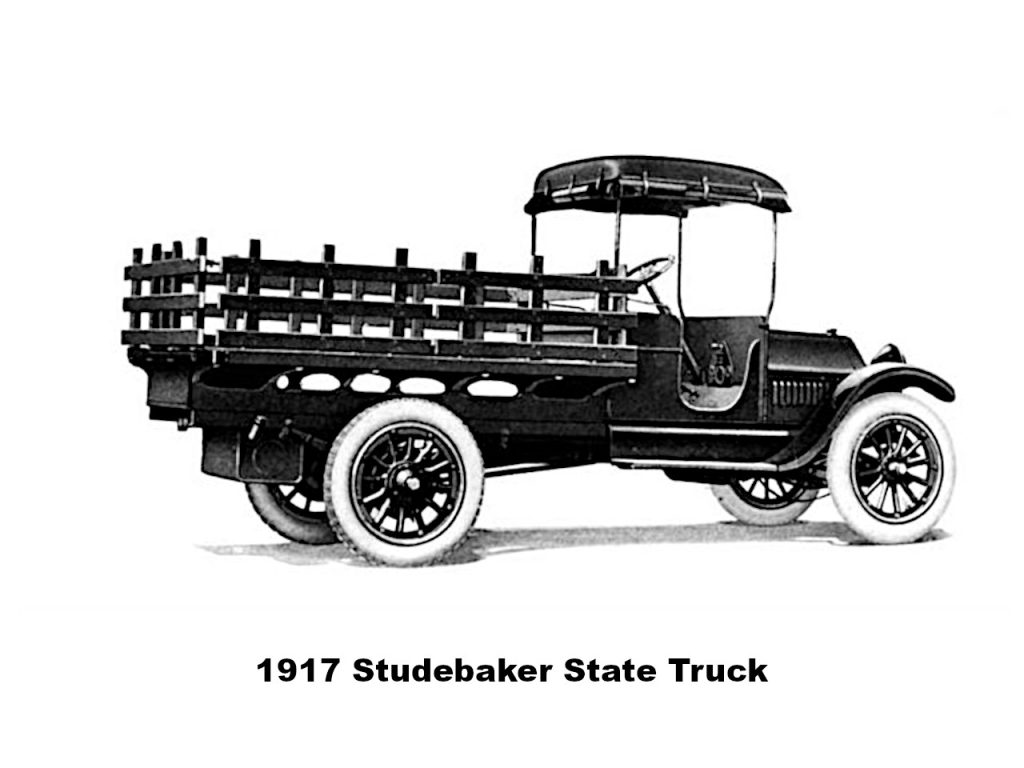
In 1914 Studebaker would release two 1,500 pound commercial vehicles, an enclosed panel or open express delivery, built on the identical SC passenger car chassis with some reinforcement of the frame and suspension and larger tires. These two vehicles continued into 1915 with minor improvements and a slightly lower price. In March 1915 a 14-passenger Jitney Bus was added. In 1916 Studebaker would release two new chassis, a 1,000 pound 112 inch wheel base unit and a 2,000 pound 125 inch wheel base unit. The first chassis would be offered in Panel Delivery (closed), Express Delivery (open) and a combination Express and Passenger model with folding seats in the back. The second chassis would be offered in Open Express, a Stake Truck and a 16-passenger Bus. Our source does not mention any modification or price changes for 1917, so it appears these models continued unchanged for that year, after which commercial vehicle production stopped until 1926.
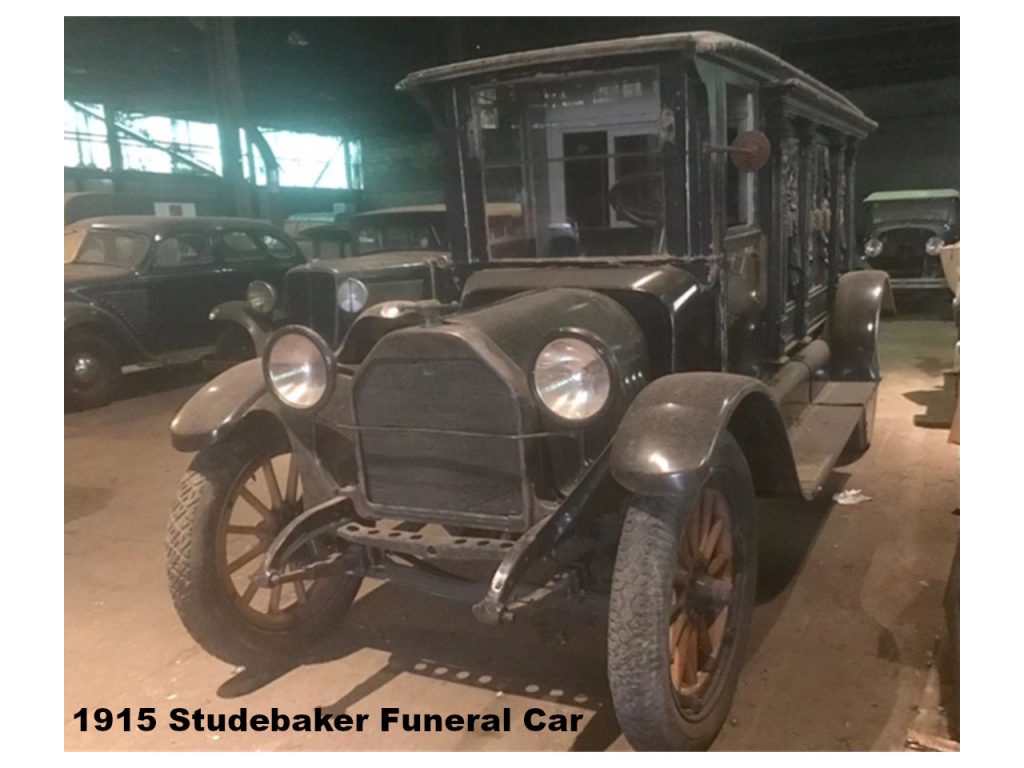
In addition to the models listed below (standard production models) a number of specialized vehicles were built on Studebaker chassis, which included fire engines built by Northern Fire Apparatus Company of Minneapolis Minnesota, hearses and ambulances built by McCabe-Powers Company of St. Louis, Missouri and special funeral cars made by Knightstown Buggy Company, Knightstown, Indiana. Some if not all were sold through Studebaker dealers. All of these vehicles were produced by Studebaker in Detroit, prior to the move of Studebaker production to South Bend.
Tells for 1912 to 1917 Commercial:
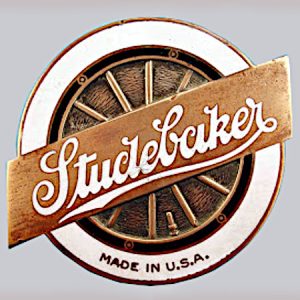
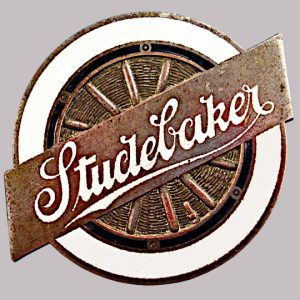
The wheel badge at the (left) was in use for cars and commercial vehicles from 1916 to 1919 and again for 1926 and 1927. It was placed near the top of the radiator shell. This one was used for exports because of the “MADE IN U.S.A.” label seen at the bottom. Most domestic units used a similar badge without that bottom label shown at the right. The badge at the (right) was slightly smaller then the first one and was used mid 1928 through 1929.
The wheel badge at the (left) was in use for cars and commercial vehicles from 1916 to 1919 and again for 1926 and 1927. It was placed near the top of the radiator shell. This one was used for exports because of the “MADE IN U.S.A.” label seen at the bottom. Most domestic units used a similar badge without that bottom label shown at the right. The badge at the (right) was slightly smaller then the first one and was used mid 1928 through 1929.